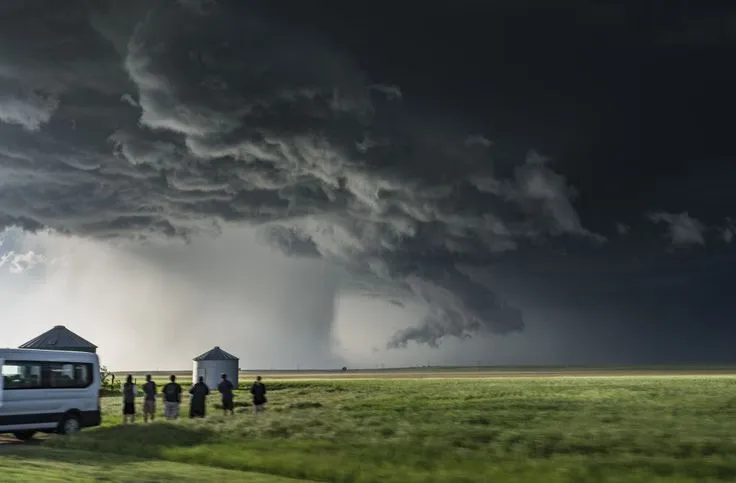
The first morning of a storm-chasing trip can feel unusual. There may be bright sunshine outside the hotel, hardly any wind, and no obvious sign that severe weather could develop later. For travelers considering tornado chasing 2027 Wichita Kansas, this contrast is worth understanding. A chase often begins with weather analysis rather than dramatic skies, and several hours may pass before storms even start forming.
That slower beginning is an important part of the experience. Storm chasing is not simply about reaching a tornado. It involves forecasting, traveling through changing environments, observing storm development, and making decisions as new information arrives.
The Morning Starts With a Forecast
Before heading toward a target area, current atmospheric conditions need to be evaluated. Forecast models provide useful guidance, but observations from that particular morning can reveal whether the expected setup is actually taking shape.
Temperature, moisture, wind direction, instability, and other factors can influence where thunderstorms eventually develop. Conditions may favor one part of the Plains early in the morning and shift attention elsewhere a few hours later.
For a first-time guest, seeing these decisions unfold can make the eventual storm far more meaningful. The clouds are no longer appearing without context; they become the visible result of conditions discussed earlier.
The Target May Be Hours Away
One misconception about storm chasing is that severe storms are always nearby. In reality, reaching a promising target can require considerable driving.
The journey might cross large stretches of farmland, small communities, and open highways before anything develops. These landscapes are not merely scenery between destinations. Their broad horizons often make it easier to observe developing clouds from a considerable distance.
Long travel periods also give guests time to ask questions and understand why one area has been selected over another.
Waiting Does Not Mean Nothing Is Happening
After reaching the target region, there may be another period of waiting. This can surprise people expecting constant activity.
During this time, atmospheric changes are still occurring. Small clouds may begin building vertically, winds can shift, and previously quiet parts of the sky may gradually become more active.
Rather than expecting immediate action, first-time travelers can watch for:
- Growing cumulus clouds
- Changes in cloud height and shape
- Increasing wind
- Darkening storm bases
- Distant lightning
- Changes in temperature
Learning to notice these details makes waiting a meaningful part of the day.
Plans Can Change Quickly
Weather does not always develop where forecast models suggested it would. One storm may weaken while another becomes better organized farther away.
People researching tornado tours 2027 Wichita Kansas should therefore expect routes to remain flexible throughout the day. A planned stop can become a short one, while an unexpected highway may suddenly become the most useful route.
This is one reason rigid sightseeing schedules do not fit storm chasing particularly well. Decisions must respond to current weather, road options, storm movement, and safe positioning.
Tornadoes Are Never Guaranteed
A first trip can be exciting without producing a tornado. No forecast can guarantee that a particular thunderstorm will generate one, and responsible storm chasing requires realistic expectations.
Other severe-weather features can be impressive in their own right. A structured supercell over an open landscape, frequent lightning, a dramatic rain shaft, or changing light beneath a storm can provide memorable viewing and photography opportunities.
Recognizing these possibilities helps prevent the entire trip from being judged by a single weather event.
Photography Requires Some Restraint
It is natural to reach immediately for a phone or camera when the sky becomes dramatic. However, spending the entire chase looking through a screen can mean missing how quickly the wider scene is changing.
Taking photographs selectively creates a better balance. Wide views can capture storm structure, while landscape features may provide useful scale.
Extra batteries or a portable charger are helpful because long days can drain devices before the most photogenic weather arrives.
The Day May Finish Later Than Expected
Storms do not follow normal business hours. Depending on development and location, a chase can continue into the evening.
Late-day conditions can also produce remarkable scenes as lower sunlight changes the appearance of clouds and landscapes. Once active chasing is finished, there may still be a drive to overnight accommodations.
Comfortable clothing, water, snacks, personal medication, and flexible evening expectations can make these longer days easier.
Every Chase Day Feels Different
Perhaps the most important thing for a newcomer to understand is that there is no completely standard chase day. One day may involve extensive driving for a brief period of weather. Another may provide hours of interesting storm development within a relatively small area.
That unpredictability is precisely what separates storm chasing from scheduled sightseeing. Each day presents a new forecasting problem and a different view of the Plains.
Conclusion
A first storm chase becomes more rewarding when travelers understand that forecasting, driving, waiting, observation, and changing plans are all genuine parts of the experience. Tornadoes may receive the most attention, but they represent only one possible outcome in a much broader encounter with severe weather.
With Storm Chasing Adventure Tours, travelers can approach each day with realistic expectations and an appreciation for the changing skies, landscapes, and atmospheric processes that make every chase different.