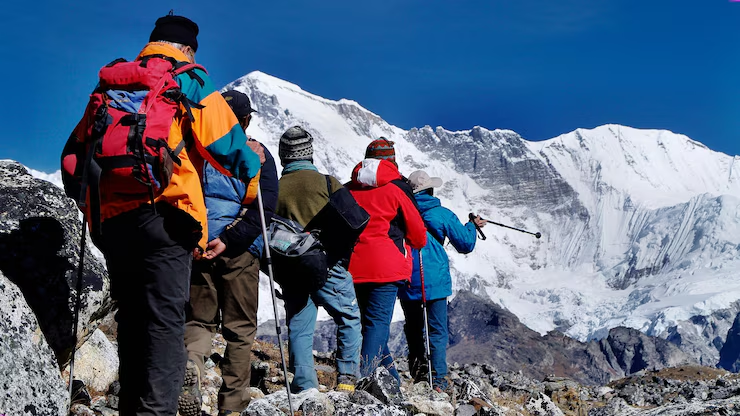
The Annapurna Base Camp (ABC) Trek is one of the most famous treks in Nepal. It takes you to the foot of Mount Annapurna, the 10th highest mountain in the world. The trek is full of amazing views, mountain villages, and peaceful landscapes.
Many people wonder: “Can beginners do this trek?”. The answer is yes, beginners can trek to Annapurna Base Camp — but only if you prepare well, walk at a steady pace, and take the right advice.
This blog will explain everything a beginner needs to know before starting the trek to Annapurna Base Camp.
Where Is Annapurna Base Camp?
Annapurna Base Camp is at an altitude of 4,130 meters (13,550 feet) and lies inside the Annapurna Conservation Area, one of Nepal’s most popular trekking zones. The trek usually starts from Pokhara, a town known for its peaceful lakes and views of the Himalayas.
The route takes you through traditional Gurung and Magar villages, rhododendron and bamboo forests, and finally to the wide open base camp surrounded by tall peaks.
How Long Is the Trek?
Most people complete the Annapurna Base Camp trek in 7 to 12 days, depending on the route and walking speed. Some choose a direct route, while others take a longer path that includes Ghorepani and Poon Hill for sunrise views.
Here is a common 10-day plan for beginners:
- Drive to Nayapul and trek to Tikhedhunga or Ulleri
- Trek to Ghorepani
- Early morning hike to Poon Hill, then trek to Tadapani
- Trek to Chhomrong
- Trek to the Himalaya or Deurali
- Trek to Annapurna Base Camp
- Trek down to Bamboo
- Trek to Jhinu Danda (hot spring)
- Trek to Siwai and drive to Pokhara
- Rest in Pokhara
Is the Trek Difficult?
The Annapurna Base Camp Trek is not too hard, but it’s not very easy either. It is called a moderate trek. This means it involves uphill and downhill walking every day, but you don’t need ropes, climbing gear, or mountain skills.
Here’s what makes it easier for beginners:
- No high mountain passes like in other treks
- Lodges along the way to sleep and eat
- Rest days can be added if you feel tired
- Short daily distances (4 to 7 hours per day)
But there are challenges too:
- Altitude: Some people feel mild sickness above 3,000 meters
- Stairs: Lots of stone steps, especially early in the trek
- Weather: It can get cold and wet, especially in early spring or late autumn
Do I Need a Guide or Porter?
If you are a beginner, hiring a guide and/or porter is highly recommended. Here’s why:
- A guide knows the trail, arranges lodges, and helps if you get sick or lost.
- A porter carries your big backpack, so you only carry a light daypack.
Having a guide also gives peace of mind. You don’t have to worry about directions, lodge availability, or altitude problems. Most guides speak English and know a lot about local culture and mountains.
In 2023, Nepal made it mandatory for foreign trekkers to have a guide in many areas — this includes the Annapurna Conservation Area.
What Should I Pack?
You don’t need fancy gear, but you must bring clothes and equipment that keep you warm, dry, and comfortable. Here’s a simple list:
Clothing:
- Warm jacket (down or synthetic)
- Base layers (thermal top and bottom)
- T-shirts (quick-dry)
- Trekking pants
- Fleece or sweater
- Rain jacket and pants
- Gloves, hat, sunhat
- Warm socks and underwear
Footwear:
- Good trekking shoes (broken in before the trip)
- Slippers or sandals for evenings
Gear:
- Backpack (30-40 liters for you; big one for porter)
- Sleeping bag (can be rented in Pokhara)
- Reusable water bottle
- Headlamp or flashlight
- Sunglasses and sunscreen
- Trekking poles (optional but useful)
You can buy or rent most of these in Pokhara or Kathmandu.
What About Food and Water?
You’ll eat and sleep in teahouses — local lodges along the trail. They serve warm meals and provide beds with blankets. You can expect food like:
- Dal Bhat (rice with lentils and vegetables)
- Noodles and soups
- Fried rice, pasta, or potatoes
- Pancakes, eggs, toast, and tea
As you go higher, prices increase because goods are carried by porters or mules.
Drinking water is available everywhere. You can buy bottled water or use purification tablets or a water filter to clean tap water. This saves money and reduces plastic waste.
Will I Get Altitude Sickness?
Altitude sickness, or AMS, can affect anyone above 2,500 meters, no matter their fitness. ABC sits at 4,130 meters, so there is a small chance of mild symptoms like headache, dizziness, or trouble sleeping.
Tips to avoid altitude sickness:
- Walk slowly and don’t rush
- Drink lots of water
- Avoid alcohol and smoking
- Eat well and rest often
- Take a rest day at Chhomrong or Deurali if needed
If symptoms get worse, go down immediately and rest.
Most beginners complete the trek without serious issues if they follow these tips and listen to their guide.
When Is the Best Time for Beginners?
The best time to trek to Annapurna Base Camp is:
- Spring (March to May): Warm days, flowers bloom, clear views
- Autumn (September to November): Clear skies, stable weather, great mountain views
These seasons are perfect for beginners because the weather is more predictable and the trail is dry.
Avoid monsoon (June–August) because of rain and slippery paths, and winter (December–February) unless you are well-prepared for snow and cold.
How Much Does It Cost?
The cost depends on your choices — whether you go solo or with a guide, what kind of lodge you stay in, and how many days you trek.
Here’s a rough idea for a beginner’s trek in 2025:
- Guide and porter: $25–40 per day
- Permits: Around $50 total (ACAP + TIMS)
- Food and lodges: $25–35 per day
- Gear rental (if needed): $1–3 per item per day
- Transportation (Pokhara to trek start): $15–30
In total, the ABC trek may cost around $600 to $900 USD for a beginner doing a 10-day trek.
What Will You Get Out of the Trek?
Many beginners say this trek changed their life. You will:
- See some of the world’s tallest mountains up close
- Walk through beautiful villages and forests
- Meet people from around the world
- Learn about Nepal’s culture and nature
- Feel proud for reaching Annapurna Base Camp
It’s not just about the destination. The journey teaches patience, strength, and appreciation for nature.
Final Thoughts
Yes — with the right planning, beginners can absolutely trek to Annapurna Base Camp.
It’s one of the most beginner-friendly high-altitude treks in Nepal. You don’t need to be an athlete, just willing to walk slowly, stay safe, and enjoy the experience.
With help from a guide, basic training, and a good attitude, you’ll reach the base of Mount Annapurna and return with memories that stay with you forever.